Exelerate™ Enzymatic CIP for Dairy
Eliminate Soil. Eliminate Compromise.
Caustic has history on its side. Exelerate™ Enzymatic CIP has efficiency on its side. Six short modules on what changes when you stop cleaning by brute force.


Six modules · about a minute each
Pick where you want to start.
Or use Next and take them in order. You can come back here at any point.
The trade-off
Every clean is a trade-off. Caustic just hides which one.
One dairy line, one soil load, the same clean at the end of it. Switch the chemistry running through the line and watch what moves. A line runs one or the other, never a blend, so this is a switch and not a dial.
Flip the tabs & switch the chemistry
Based on automated CIP chemistry only.
The chemistry
Brute force, or precision.
Same soil. Caustic floods everything and is spent on contact. An enzyme locks on, breaks the soil down, releases, and finds the next one.
A caustic wash running through a full pipe, then draining away. The soil is reduced but not removed: the wall it leaves behind is scoured and still carries a pale mineral film.
Caustic · Non-selective flood · Schematic- Gasket
- Spent
- No Second Pass
Non-selective. Hits soil, steel and gaskets alike, then it is spent.
An enzymatic wash running through the same pipe, then draining away. The soil lifts as it runs and the wall it leaves behind is bare bright steel, with no film and no scouring. Inset: enzymes locking onto a soil cluster, breaking it into fragments, then moving on to break down more soil.
Enzymatic · Exelerate mechanism · 3 stagesThe active site locks onto the target protein soil.
The operator
What your team has to put on.
The same job, dressed two ways. This is the comparison that lands hardest with anyone who has actually run a line.
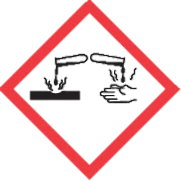
Skin corrosion and serious eye damage.
The evidence
Straight from inside the tank.
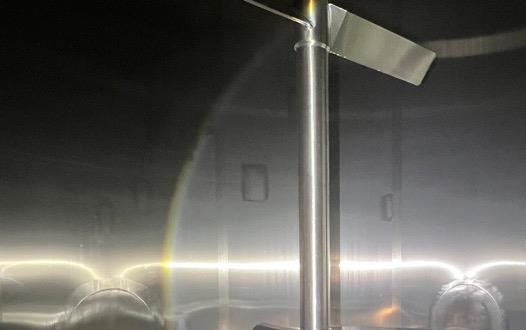
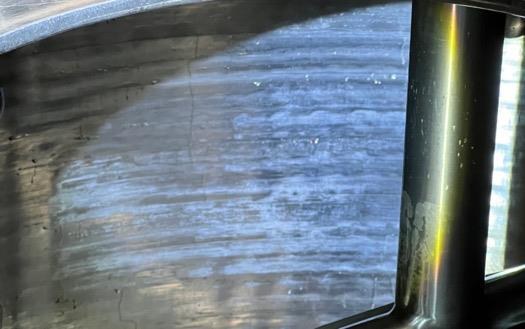
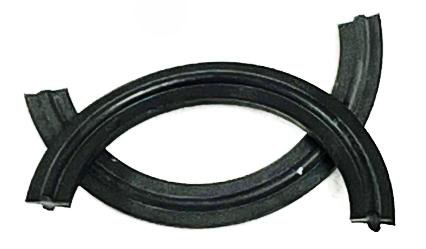
Unretouched plant photography. Two pieces of equipment, two chemistries, the same duty.
Tank wall
Chlorinated alkaline leaves a white film. Exelerate leaves the steel.
Gaskets
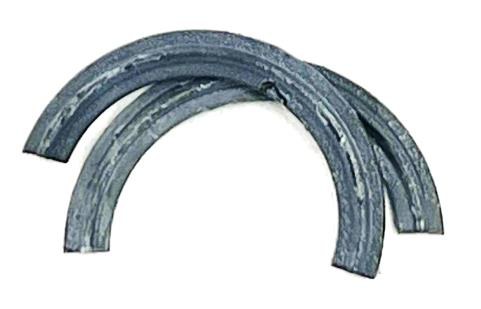
Caustic cracks and swells gaskets. Exelerate Enzymatic saves $35K a year at the reference plant from a 2025 case study.
Cycle time
Two cycles. One clock.
A full clean-in-place cycle on both chemistries against the same clock. The enzymatic track clears its post-rinse leg first, and the water meter stops with it.
55 seconds earlier 525 gallons / day not drawn
Just 55 seconds faster per clean. Now multiply that by every cycle, every day, every year.
Both tracks start together. Only the post-rinse leg differs.
Time savings based on a 2025 case study of a dairy plant.
The bill
The chemistry line is the smallest number on the bill.
Both receipts are for the same system on the same dairy line. The difference is everything the chemical invoice does not show.
Enzymatic runs anywhere chlorinated alkaline runs today:
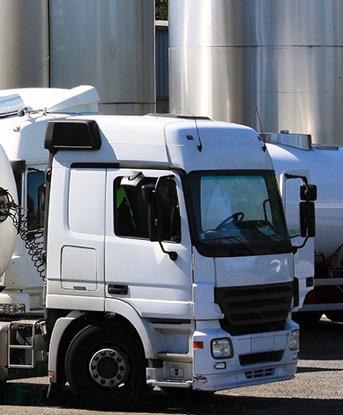
- Trucks Tanker interiors between loads.
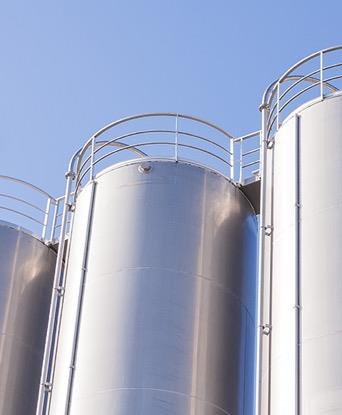
- Tanks Silos and storage, including long dwell surfaces.
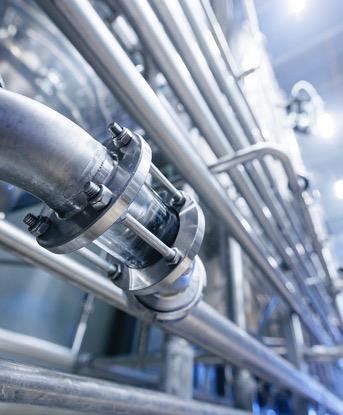
- Lines Process piping, where soil hides in the bends.
- Fillers Filling heads and the tight geometry around them.
- Vats Open vats and agitator surfaces.
CAUSTIC CIP
- TOTAL IMPACT
- BASELINE
SYSTEM: CIP FOR COLD AREAS
ENZYMATIC CIP
- TOTAL IMPACT
- 200% ROI
SYSTEM: CIP FOR COLD AREAS
Based on 101,298 gallons of Principal chemistry replaced with 63,311 gallons of Exelerate™ Enzymatic CIP 100.
Impact line detail, both receipts
CAUSTIC CIP
| IMPACT | HIGH $34,000/YEAR |
|---|
ENZYMATIC CIP
| IMPACT | LOW $34,000 SAVED |
|---|
Caustic: high, $34,000 a year. Exelerate Enzymatic: low, $34,000 saved.
CAUSTIC CIP
| IMPACT | SLOW +167/HOURS |
|---|
ENZYMATIC CIP
| IMPACT | −22% 167 HOURS SAVED |
|---|
Caustic: slow, 167 hours added. Exelerate Enzymatic: 22% faster, 167 hours saved.
CAUSTIC CIP
| IMPACT | HIGH 606K GALLONS |
|---|
ENZYMATIC CIP
| IMPACT | SAVED 606K GALLONS |
|---|
Caustic: high draw, 606K gallons. Exelerate Enzymatic: 606K gallons saved.
CAUSTIC CIP
| IMPACT | RISK HIGH TDS |
|---|
ENZYMATIC CIP
| IMPACT | 82% TDS REDUCTION |
|---|
Caustic: at risk on high TDS. Exelerate Enzymatic: 82% TDS reduction.
CAUSTIC CIP
| IMPACT | VARIABLE REWASH |
|---|
ENZYMATIC CIP
| IMPACT | 38% VOL CHEM REDUCTION |
|---|
Caustic: variable, rewash needed. Exelerate Enzymatic: 38% less chemistry by volume.
The results shown are based on a 2025 case study at a dairy plant. Actual results will vary for other businesses based on factors and circumstances in their operations.
Five cost lines, shown one at a time on both receipts. The up and down buttons move between them, as do the up and down arrow keys.
That’s the whole argument
Let’s talk about enzymes.
You don’t have to choose between clean and safe anymore.
And you’re not just switching chemicals:
you’re upgrading the efficiency of your entire cleaning system.
Results referenced across these modules are based on customer-specific data from 2025. Savings values estimated by Ecolab based in part on assumptions and limitations intended to reflect typical industry practices and feedback from customers. Not a guarantee of performance. Actual results will vary.